



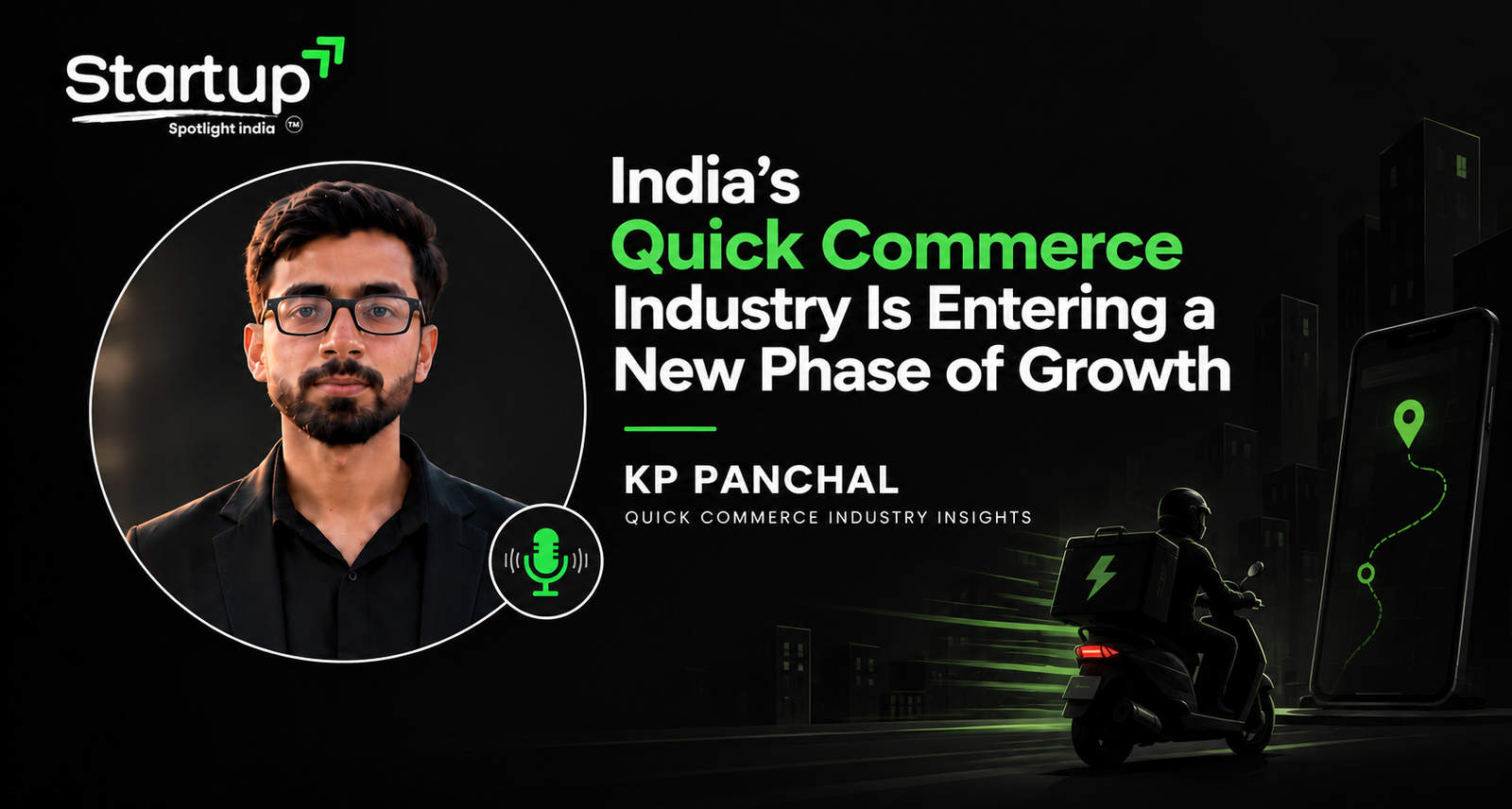
India’s Quick Commerce Industry Is Entering a New Phase of Growth, Says KP Panchal
-
Kinjal Rajpurohit

- October 10, 2026
India’s quick commerce market is changing how people buy everyday products. Customers can order groceries, snacks, personal care items and other products through apps and receive them within a short time. For brands, these platforms have opened another way to reach customers.
According to entrepreneur and digital marketing professional KP Panchal, the next stage of quick commerce will depend on how well brands manage product visibility, pricing and availability.
India’s quick commerce market could see strong opportunities in everyday product categories such as healthy snacks (protein bars, makhana), beauty and skincare (sunscreen, face serums), beverages (cold coffee, energy drinks), pet care (pet food, treats), home care (surface cleaners, laundry products), baby care (diapers, wipes) and fitness products (protein snacks, hydration drinks). For D2C brands, the opportunity lies in offering products that customers need regularly, buy frequently and can easily order through platforms like Blinkit, Zepto and Swiggy Instamart.
India • Quick Commerce
Quick Commerce at a Glance
Market snapshot and future outlook
- 300+ cities: The report identifies an addressable quick commerce opportunity across more than 300 cities.
- Non-grocery growth: Beauty, personal care, home essentials and electronics are expected to become increasingly important categories.
- Metro opportunity: Quick commerce is around 6% of metro retail spending today, projected to reach 20–23% by FY2031.
Source: Redseer Strategy Consultants and Google, October 2026. Future figures are projections.
“Many brands think that listing their products on a quick commerce platform is enough to increase sales. In my view, brands need to understand how customers find products, what makes them choose one product over another, and how they can maintain sales over time,” says Panchal.
He believes quick commerce can offer new opportunities for direct-to-consumer (D2C) brands, especially those selling food, beverages, personal care products and daily-use items. However, brands need to plan their platform presence carefully. Product selection, stock availability, pricing and promotions can all affect sales.
Panchal also expects competition for visibility to become more important as more brands enter these platforms. Companies may need to study their sales data, improve product listings and adjust their marketing plans based on customer demand.
He sees digital marketing and public relations as useful ways for brands to build awareness outside shopping apps. Customers who recognise a brand may be more likely to notice it when browsing products online.
For D2C businesses planning to enter quick commerce, Panchal advises studying the costs, target customers and demand for their products before expanding.
In his view, long-term growth will depend on whether brands can turn platform visibility into repeat purchases and steady sales.
Frequently Asked Questions
1. Who is KP Panchal?
KP Panchal is an indian entrepreneur and digital marketing professional.
2. What is the future of quick commerce in India?
Quick commerce is expected to grow as more customers use apps for fast delivery of everyday products.
3. How can quick commerce help D2C brands?
It can help D2C brands reach more customers and create another sales channel.
4. What challenges do brands face in quick commerce?
Brands face competition, platform costs, pricing pressure and stock management challenges.
5. Why is product visibility important?
Better visibility helps customers discover products and may improve sales.