


CCPA Imposes Rs 10 Lakh Penalty on Rapido Over Dark Patterns
-
Khushi Jain

- September 16, 2026
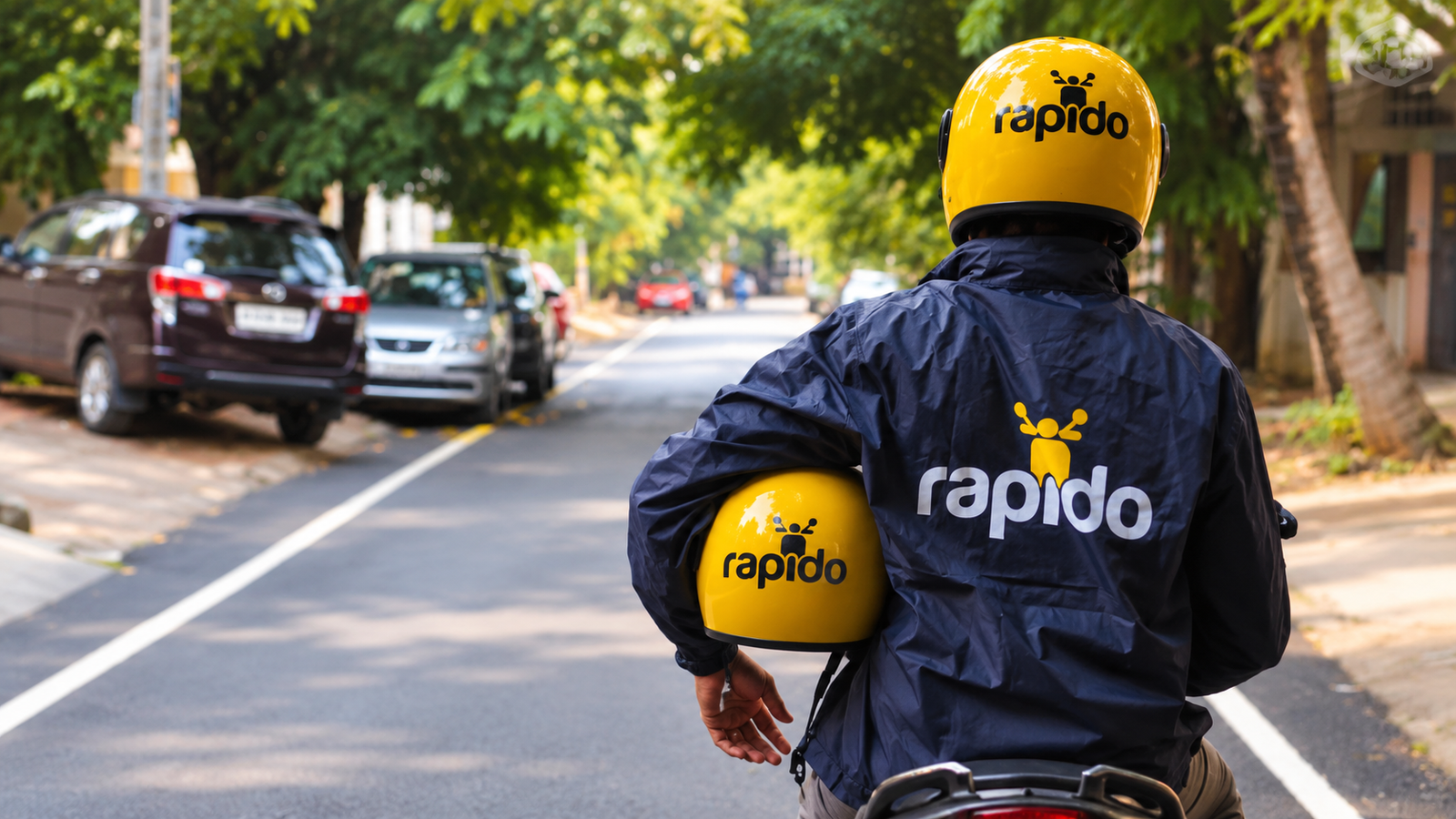
The Central Consumer Protection Authority (CCPA) has imposed a penalty of Rs 10 lakh on ride unicorn Rapido for misleading advertisements, unfair trade practices, unfair contract and dark patterns, where consumers are prompted to pay more before their rides are confirmed.
The order, passed by a bench comprising chief commissioner Nidhi Khare and commissioner Anupam Mishra, follows a sector-wide examination of cab aggregators operating in India to understand pre-ride tipping and dynamic pricing practices.
During the investigation, the CCPA found that Rapido’s app displayed prompts suggesting specific top-ups of Rs 10, Rs 20 or Rs 30 to improve users’ chances of getting a ride.
The regulator held that Rapido’s algorithm first quoted a fare and then, once the rider had booked at that fare, asked the rider to pay more because “Captains”, or drivers, were supposedly not accepting the fare.
According to the CCPA, this created a false impression that getting a ride quickly depended on paying additional fees.
The CCPA held this to be “confirm shaming”, a dark pattern listed under the Guidelines for Prevention and Regulation of Dark Patterns, 2023. The practice creates urgency and a fear of losing the ride if the rider does not agree to pay more.
Separately, the regulator examined Rapido’s “set your price” slider and found that its colour coding was steering pricing decisions. Raising the price displayed a green message indicating a higher chance of getting a ride, while lowering it triggered a red or orange warning.
The CCPA held that this design amounted to a second dark pattern, “interface interference”.
A tip, as the regulator observed, is a voluntary payment made after a service has been rendered and cannot be presented as a condition for the service being provided.
It also pointed to the Motor Vehicle Aggregator Guidelines, 2025, which require any tipping feature to be offered only after a ride is completed, not at the time of booking or during the ride.
Rapido had argued that tipping on its platform is voluntary and that the prompts simply mirrored the kind of real-time negotiation that happens offline between a rider and a driver.
The CCPA rejected these submissions, holding that the timing and design of the prompts applied pressure at a point when users seemed to be most dependent on the platform.
It also noted that Rapido had not shown any data to establish that paying more actually improves a rider’s chances of getting a ride, making the claim unsubstantiated and misleading.
The action against Rapido is part of the CCPA’s broader scrutiny of advance-tip and dark-pattern practices across ride-hailing and bike-taxi platforms.
The regulator had earlier issued notices to Uber, Ola, Rapido and Namma Yatri, directing them to comply with the 2023 dark patterns guidelines and file self-declarations on compliance. Its examination of Uber and Ola is still ongoing.
The action also adds to the ongoing regulatory scrutiny of advance-tipping dark patterns employed by ride-hailing platforms. Earlier in August, the Ministry of Road Transport and Highways (MoRTH) directed ride-hailing aggregators to remove tipping prompts shown before or during rides, saying these violate the Motor Vehicle Aggregator Guidelines, 2025.
The ministry reiterated that passengers can tip drivers only after completing a ride, with the entire amount going to the driver. Platforms also cannot suggest that tipping could improve ride confirmation, driver acceptance or service quality.
The directive comes amid wider scrutiny of aggregators, including NHRC action over alleged overcharging. The 2025 guidelines also cover licensing, driver training and insurance, vehicle safety, fares and penalties, including licences of up to five years and fines of up to Rs 1 Cr.
FAQs
1. Why did the CCPA impose a penalty on Rapido?
The CCPA imposed a Rs 10 lakh penalty on Rapido for misleading advertisements, unfair trade practices, unfair contract and dark patterns.
2. What top-up amounts did Rapido’s app prompt users to pay?
The app displayed prompts suggesting top-ups of Rs 10, Rs 20 or Rs 30 to improve users’ chances of getting a ride.
3. Which dark patterns did the CCPA identify in Rapido’s platform?
The CCPA identified “confirm shaming” and “interface interference”.
4. When can passengers tip drivers under the Motor Vehicle Aggregator Guidelines, 2025?
Passengers can tip drivers only after completing a ride, with the entire amount going to the driver.
5. Which other ride-hailing platforms received notices from the CCPA?
The CCPA had earlier issued notices to Uber, Ola, Rapido and Namma Yatri.