

Snitch Expanded Its Online Menswear Business Into Stores and Womenswear
-
Startup Spotlight India
- October 25, 2026

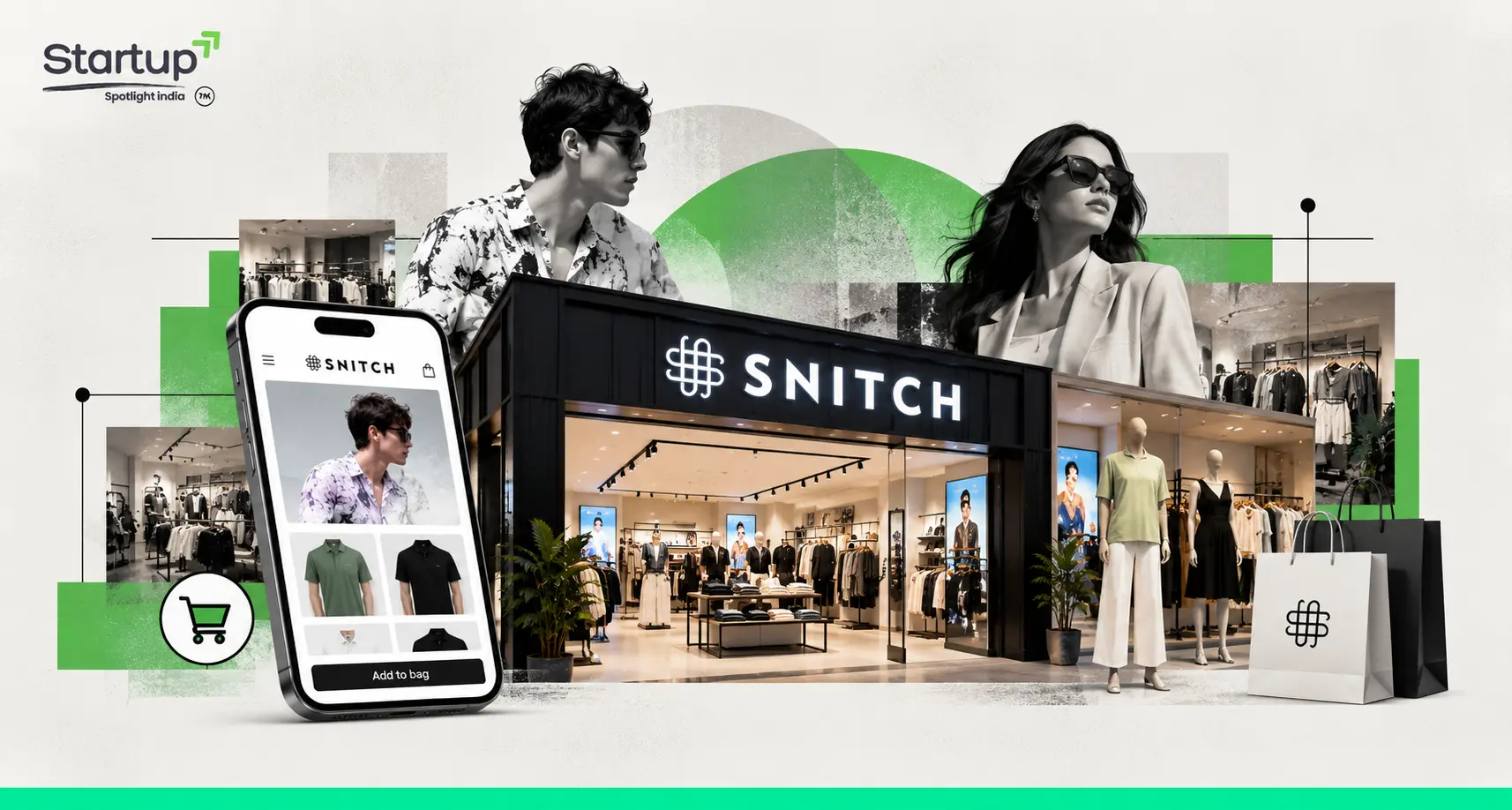
By December 2025, Snitch had opened its 100th store. The milestone came roughly two and a half years after its first physical outlet in Bengaluru. The expansion followed the brand’s appearance on Shark Tank India and its shift into selling directly to consumers. It had developed an online menswear business, raised institutional capital and started putting its products in front of customers on the high street.
The business took another turn in July 2026, when Snitch acquired women’s fashion label Berrylush. Financial terms were not disclosed. Berrylush was to keep its identity and team, with Snitch supporting areas including product development, technology and retail expansion. The transaction extended the company’s ambitions beyond the menswear label that had brought it national attention.
A founder who already knew the garment trade
Siddharth Dungarwal entered fashion through retail and garment supply. According to investor IvyCap Ventures‘ profile, he began with a small clothing store before moving into business-to-business operations. That background gave him experience with the work behind a finished garment, including buying fabric and getting products made for retailers.
The same profile recounts a surplus-fabric problem in 2012 that Dungarwal turned into a line of shirts. It is an early example of the manufacturing experience that preceded Snitch. His career in clothing had started well before the brand’s television appearance.
Snitch’s early business supplied apparel to other retailers. During the pandemic, it moved towards selling directly to consumers online. This changed the relationship with the buyer. The company could present its own collections, set the shopping experience and receive feedback from the people wearing its clothes.
Selling under its own label also meant taking responsibility for the final purchase. A customer would judge Snitch on the fit of a shirt, the quality of the fabric and what happened when an order needed to be returned. The website was the point where that relationship began.
Keeping the product range moving
Snitch built its menswear offer around frequent releases. Its collections cover shirts, trousers and other casual clothing, with new designs intended to respond to changing preferences. IvyCap describes the direct-to-consumer model and the brand’s digital presence as central parts of its business.
The practical work involved extends beyond choosing a design. Different sizes have to be available, stock has to reach the right channel and customer responses have to feed into later buying decisions. With an expanding store network, those decisions affect physical shelves as well as the online catalogue.
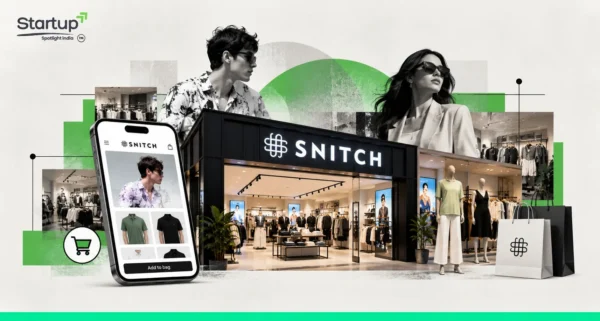
The two channels give customers different ways to buy the same brand. Online shopping allows them to browse a broad range. Stores let them check fabric, compare fits and try sizes before purchasing. Snitch’s expansion placed both within its business rather than keeping the company dependent on a website alone.
In 2025, Snitch also partnered with logistics technology company ClickPost. A later retail update described the partnership as an effort to bring logistics workflows and operations after purchase together across channels. The work concerned the movement and handling of orders alongside the expansion of places where customers could buy its clothes.
Television followed by institutional funding
Dungarwal appeared on the second season of Shark Tank India in 2023. SonyLIV’s official archive carries the pitch. It placed Snitch in front of an audience well beyond the customers already finding its products online.
The larger financing milestones came through separate institutional rounds. Snitch raised Rs 110 crore in a Series A round in December 2023. In June 2025, it announced a Series B round of up to $40 million led by 360 ONE Asset. Existing investors IvyCap Ventures and SWC Global participated, alongside the Ravi Modi Family Office and other investors.
At that announcement, Snitch said it operated more than 55 stores. Its stated uses for the capital included retail expansion, additional product categories, quick-commerce capabilities and trials in international markets. These were the company’s plans at the time of the fundraise.
Snitch continued adding stores after the June fundraise. In December 2025, BW Retail World reported the opening of its 100th outlet, in Bengaluru’s HSR Layout. The company also set a target of 300 stores by the end of 2026, setting out a much larger physical network than it had operated when the Series B was announced.
Adding a second fashion business
The Berrylush acquisition introduced a different route to growth. Snitch bought an existing label with its own products and customers. It said it would work with co-founder Anusha Chandrashekar and the team on the next stage of that business.
Berrylush sells women’s apparel, including dresses and co-ord sets. Retaining its separate identity allows Snitch to enter that market through a brand already operating in it. The proposed support across supply chain, technology and retail connects the acquisition to capabilities Snitch had been building for its own label.
In its July 2026 acquisition coverage, Inc42 reported that Snitch operated 115 stores, with online channels contributing about 60% of revenue and offline stores accounting for the rest. That provides a dated snapshot of the business as it added another label. The expansion into women’s fashion came after the company had established both online sales and a physical retail network for its original brand.