


Government Warns Against Using WhatsApp Web for Sensitive Information, Cites Cyber Fraud Risks
-
Khushi Jain

- November 23, 2026
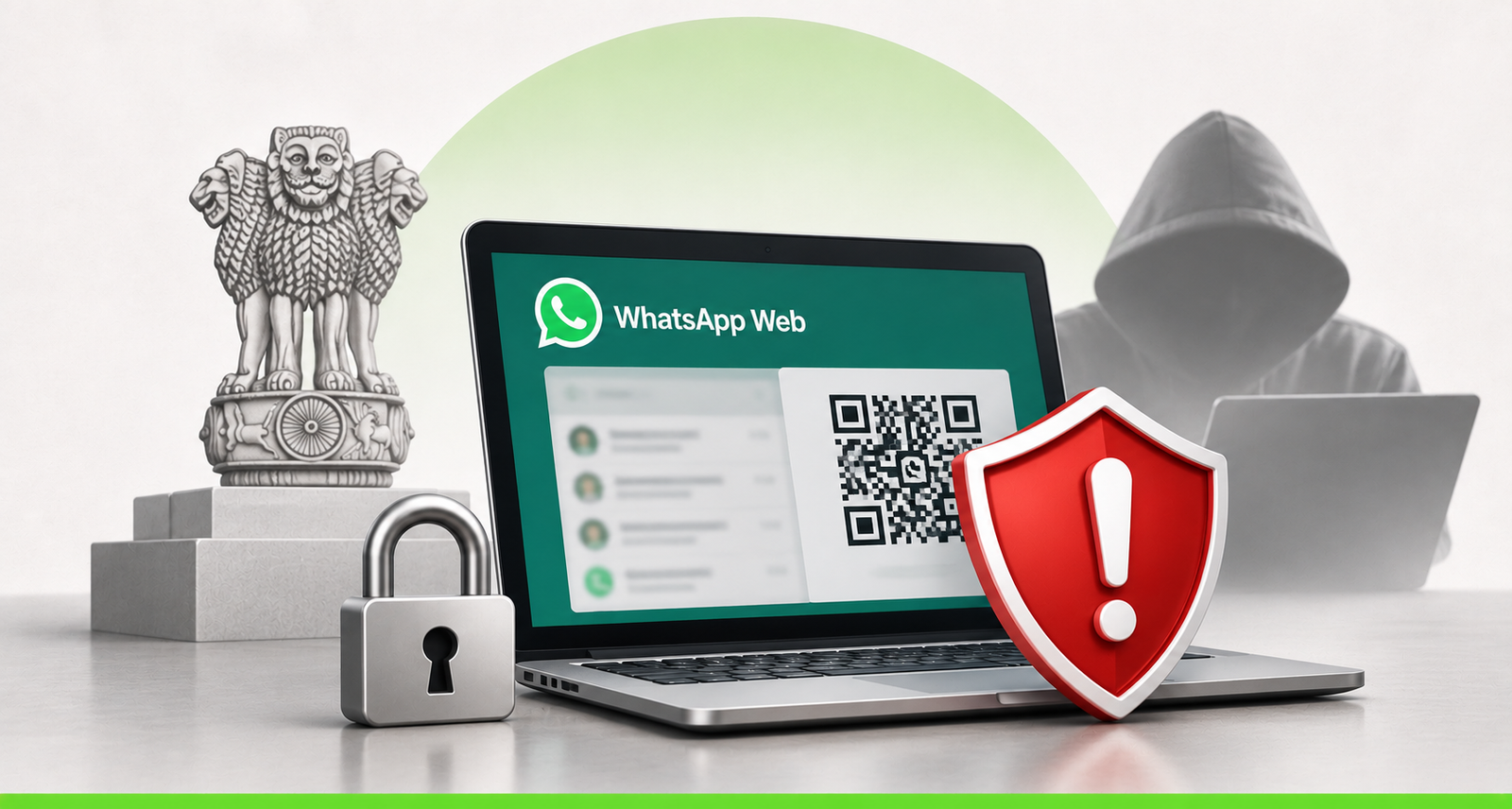
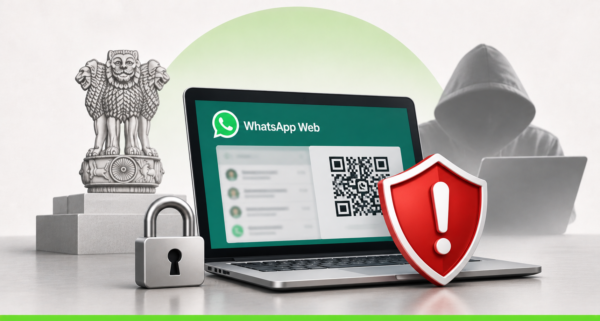
The Indian Cyber Crime Coordination Centre (I4C), under the Ministry of Home Affairs, has advised users against sharing official, financial, confidential and other sensitive information through WhatsApp Web, warning that active browser sessions could expose accounts to unauthorised access and cyber fraud.
In a recent advisory, I4C’s National Cybercrime Threat Analytics Unit (NCTAU) warned that attackers could exploit active WhatsApp Web sessions to read messages, impersonate users and access their contacts and group conversations.
According to a Moneycontrol report, the agency has urged users to exercise caution when accessing WhatsApp Web through office computers, shared systems and public devices.
The advisory also warns that simply closing a browser tab or window does not log users out of WhatsApp Web, leaving an authenticated session potentially accessible to others.
I4C Warns of WhatsApp Web Account Hijacking Risks
WhatsApp Web allows users to access their WhatsApp accounts through a computer browser after linking their accounts.
However, I4C said an active browser session could be misused under certain circumstances, particularly when a computer is shared with other users or accessed by unauthorised individuals.
Attackers gaining access to an authenticated session could read private conversations, send messages while impersonating the account holder and view contact lists and group chats.
The agency warned that cybercriminals could use the account holder’s trusted identity to carry out fraud, phishing and social engineering attacks.
Such activity could expose personal and organisational communications and allow attackers to contact other people while appearing to be the legitimate account holder.
I4C has therefore advised users to avoid exchanging sensitive information through WhatsApp Web, particularly on office computers and devices accessible to multiple people.
Government Issues Safety Guidelines for WhatsApp Web Users
The National Cybercrime Threat Analytics Unit has recommended several precautions to reduce the risk of unauthorised access.
1. Avoid Sharing Sensitive Information
Users should preferably avoid exchanging government, organisational, financial, confidential or other sensitive information through WhatsApp Web on computers.
2. Do Not Leave WhatsApp Web Sessions Active
I4C has advised users against keeping WhatsApp Web logged in when it is not required, particularly on office computers and shared devices.
An active session could be accessible to others who gain control of the computer.
3. Log Out Manually After Every Session
The agency stressed that closing a browser tab or window should not be treated as logging out.
Users should manually log out of WhatsApp Web after completing their work to prevent an authenticated session from remaining active.
4. Use Private Browsing With Caution
If accessing WhatsApp Web temporarily is unavoidable, I4C recommends using incognito or private browsing mode on a trusted computer.
However, users should still manually log out before closing the browser.
Private browsing should not be considered a replacement for logging out.
5. Avoid Public and Untrusted Computers
The agency has warned against using WhatsApp Web on computers in cyber cafes, public kiosks, hotel business centres and other locations where devices may be accessible to unknown users.
It has also advised avoiding borrowed computers and other untrusted systems.
6. Monitor Unusual Account Activity
Users should treat unexpected messages sent from their accounts, unusual replies from contacts and unexplained account activity as potential warning signs.
I4C said such activity could indicate unauthorised access or account misuse.
7. Keep Computers and Security Software Updated
Users have been advised to keep their operating systems, browsers and security software updated.
The agency also recommended avoiding suspicious downloads, unknown files, pirated software and untrusted applications that could compromise device security.
I4C Previously Warned of WhatsApp Account Takeover Fraud
The latest advisory follows an earlier warning about cybercriminals targeting company directors, finance professionals and businesspersons through WhatsApp account takeovers.
In August 2026, I4C warned that attackers were circulating malicious ZIP files disguised as account statements and communications from the Reserve Bank of India (RBI) and the Ministry of Corporate Affairs (MCA).
According to an official Ministry of Home Affairs release, the files were designed to appear as financial documents or regulatory communications.
When opened on Windows computers, the malicious files could install malware and compromise an active WhatsApp Web session.
Attackers could then gain control of the account and use it to contact other people while impersonating the legitimate user.
The campaign primarily targeted business executives and employees responsible for financial transactions.
I4C Advises Businesses to Verify Fund Transfer Requests
Following the earlier WhatsApp account takeover campaign, I4C advised companies to independently verify urgent financial instructions before processing transactions.
The agency specifically warned businesses about requests to transfer funds or change bank account details received through messaging platforms.
It recommended confirming such requests through a direct voice call or in-person communication before taking action.
These precautions are intended to reduce the risk of financial fraud involving compromised WhatsApp accounts.
Attackers may exploit a trusted business contact’s identity to convince employees to process unauthorised payments or share financial information.
The advisory is particularly relevant to company directors, finance departments and other employees handling confidential business communications.
I4C Also Flags AI-Based Cyberattacks Against Financial Institutions
Separately, I4C has warned banks, non-banking financial companies (NBFCs) and fintech startups about cyberattacks involving artificial intelligence agents.
The agency said attackers were exploiting unpatched software, misconfigured internet-facing servers and vulnerable IT systems to gain access to financial infrastructure.
According to a report by Akashvani News, financial institutions have been advised to strengthen cybersecurity measures against AI-assisted attacks.
The warning concerns attempts to compromise financial systems and misuse automated tools to carry out fraudulent activities.
It forms part of I4C’s wider efforts to address cyber threats affecting businesses, financial institutions and digital communication services.
WhatsApp and Telegram Prepare for SIM-Binding Requirements
The WhatsApp Web advisory also comes amid efforts to strengthen security requirements for messaging platforms in India.
Last month, it was reported that WhatsApp and Telegram were preparing to implement the Department of Telecommunications’ SIM-binding mandate.
The requirements are intended to strengthen safeguards against the misuse of messaging accounts.
The latest I4C advisory focuses specifically on the risks associated with active WhatsApp Web sessions and the potential misuse of accounts on shared or untrusted computers.
The agency has urged users to avoid sensitive communications on WhatsApp Web, manually log out after every session and remain alert to suspicious account activity.
Frequently Asked Questions (FAQs)
1. Why has the Indian government warned users about WhatsApp Web?
The Indian Cyber Crime Coordination Centre (I4C) has warned that active WhatsApp Web sessions could be misused to access private messages, impersonate account holders and carry out cyber fraud.
2. Is it safe to share financial information through WhatsApp Web?
I4C has advised users to avoid exchanging official, financial, confidential or other sensitive information through WhatsApp Web on computers.
3. Does closing a browser tab automatically log out of WhatsApp Web?
No. I4C has warned that closing a browser tab or window does not necessarily end an authenticated WhatsApp Web session. Users should log out manually.
4. Can WhatsApp Web accounts be compromised through malicious files?
Yes. I4C previously warned that malicious ZIP files opened on Windows computers could install malware and hijack active WhatsApp Web sessions.
5. What precautions has I4C recommended for WhatsApp Web users?
I4C recommends manually logging out after every session, avoiding public computers, limiting sensitive communications, monitoring unusual account activity and keeping devices and security software updated.