


Gold Prices Rise 1.2% to $3,576.10 After 14-Month Low Ahead of US Inflation Data
-
Khushi Jain

- November 23, 2026
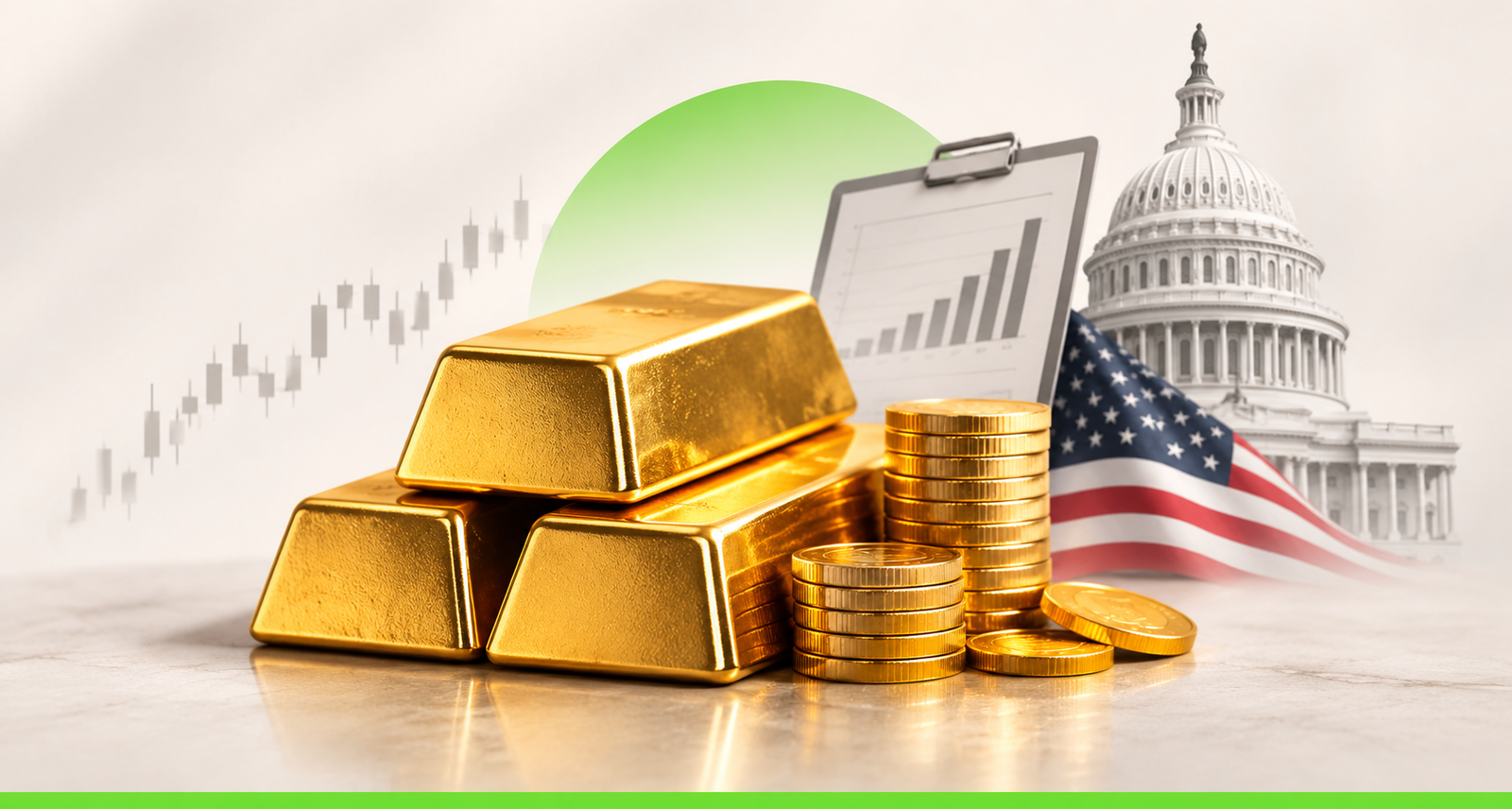
Gold prices rose in early Asian trading on Monday, November 23, 2026, recovering from a 14-month low as investors awaited key US inflation data that could influence the Federal Reserve’s next interest rate decision.
Spot gold increased 1.2% to $3,576.10 per ounce by 0048 GMT, after falling to its lowest level since September 2025 on Friday.
According to a Reuters report published by The Economic Times, bullion declined approximately 9% last week, marking its steepest weekly fall since March.
Meanwhile, US gold futures for December delivery gained 1.7% to $3,576.20.
The recovery comes as investors assess the outlook for US interest rates ahead of the latest inflation figures.
Gold Prices Recover After Sharp Weekly Decline
Gold prices regained some ground on Monday after recording their steepest weekly decline since March.
Spot gold climbed 1.2% to $3,576.10 per ounce in early Asian trade, recovering from Friday’s 14-month low.
The metal had fallen approximately 9% during the previous week as investors adjusted their positions ahead of important US economic data.
US gold futures for December delivery also moved higher, rising 1.7% to $3,576.20.
The price movement comes as financial markets assess whether the Federal Reserve will raise interest rates at its upcoming December policy meeting.
Federal Reserve Signals Possibility of Further Interest Rate Hikes
US Federal Reserve Governor Lisa Cook called for additional interest rate increases on Friday, arguing that the central bank’s current policy rate was insufficient to address inflation.
Cook expressed concern about persistent inflation, saying current price pressures remained a significant challenge for monetary policymakers.
In her November 20 speech published by the Federal Reserve, Cook said inflation remained above the central bank’s 2% target and warned against delaying necessary policy adjustments.
According to CME’s FedWatch tool, financial markets were pricing in a 93% probability of an interest rate hike at the Federal Reserve’s December meeting.
Higher interest rates generally increase the opportunity cost of holding gold because the metal does not generate interest income.
As a result, expectations of further monetary tightening can affect demand for bullion.
US Inflation Data in Focus Ahead of Fed Decision
Investors are awaiting the release of US Personal Consumption Expenditures (PCE) inflation data on Wednesday, November 25.
The PCE index is a key inflation indicator monitored by the Federal Reserve as it works towards its 2% inflation target.
The upcoming data could provide further indications of the direction of US monetary policy.
Meanwhile, concerns about energy-related inflation remain significant in Europe.
European Central Bank Governing Council member Alvaro Santos Pereira said on Friday that rising natural gas prices were a particular concern for policymakers.
However, he noted that it remained unclear whether these energy-related inflation pressures had spread to the wider eurozone economy.
The inflation outlook in the United States and Europe remains an important factor influencing expectations for interest rates and precious metal prices.
Gold Demand Increases in India and China as Prices Fall
Physical gold demand increased in India and China during the previous week as lower prices attracted buyers.
In India, consumers returned to jewellery stores to take advantage of the correction in gold prices.
Chinese investors also viewed the decline as an opportunity to purchase bullion for investment purposes.
According to a Reuters report on physical gold demand in India and China, lower prices encouraged buying activity across both markets.
The increase in physical demand followed the recent decline in international gold prices.
Silver, Platinum and Palladium Prices Also Rise
Other precious metals also recorded gains during early Asian trading on Monday.
Spot silver rose 2.3% to $42.11 per ounce, while platinum gained 1.4% to $1,316.97 per ounce.
Palladium increased 1.3% to $904.15 per ounce.
The gains across precious metals came as investors monitored the recovery in gold and prepared for the upcoming US inflation report.
Gold’s near-term direction remains closely linked to inflation data, interest rate expectations and investor demand.
With the Federal Reserve’s December policy meeting approaching, the upcoming PCE inflation figures will provide another indication of the possible direction of US monetary policy.
Disclaimer: We are a media platform sharing stock market and IPO news for informational purposes only. We do not provide investment advice.
Frequently Asked Questions (FAQs)
1. What was the spot gold price on November 23, 2026?
Spot gold rose 1.2% to $3,576.10 per ounce by 0048 GMT on November 23, 2026.
2. Why did gold prices rise on Monday?
Gold prices recovered from a 14-month low as investors positioned themselves ahead of important US inflation data and the Federal Reserve’s next policy decision.
3. How much did gold prices decline during the previous week?
Gold prices fell approximately 9% during the previous week, recording their steepest weekly decline since March.
4. What is the probability of a Federal Reserve interest rate hike in December?
According to CME’s FedWatch tool, markets were pricing in a 93% probability of an interest rate increase at the December policy meeting.
5. What were silver, platinum and palladium prices on November 23?
Spot silver rose to $42.11 per ounce, platinum increased to $1,316.97 and palladium climbed to $904.15 per ounce.