


Better Capital’s Lending Thesis: Solve the Problem Before the Loan
-
Khushi Jain

- September 10, 2026
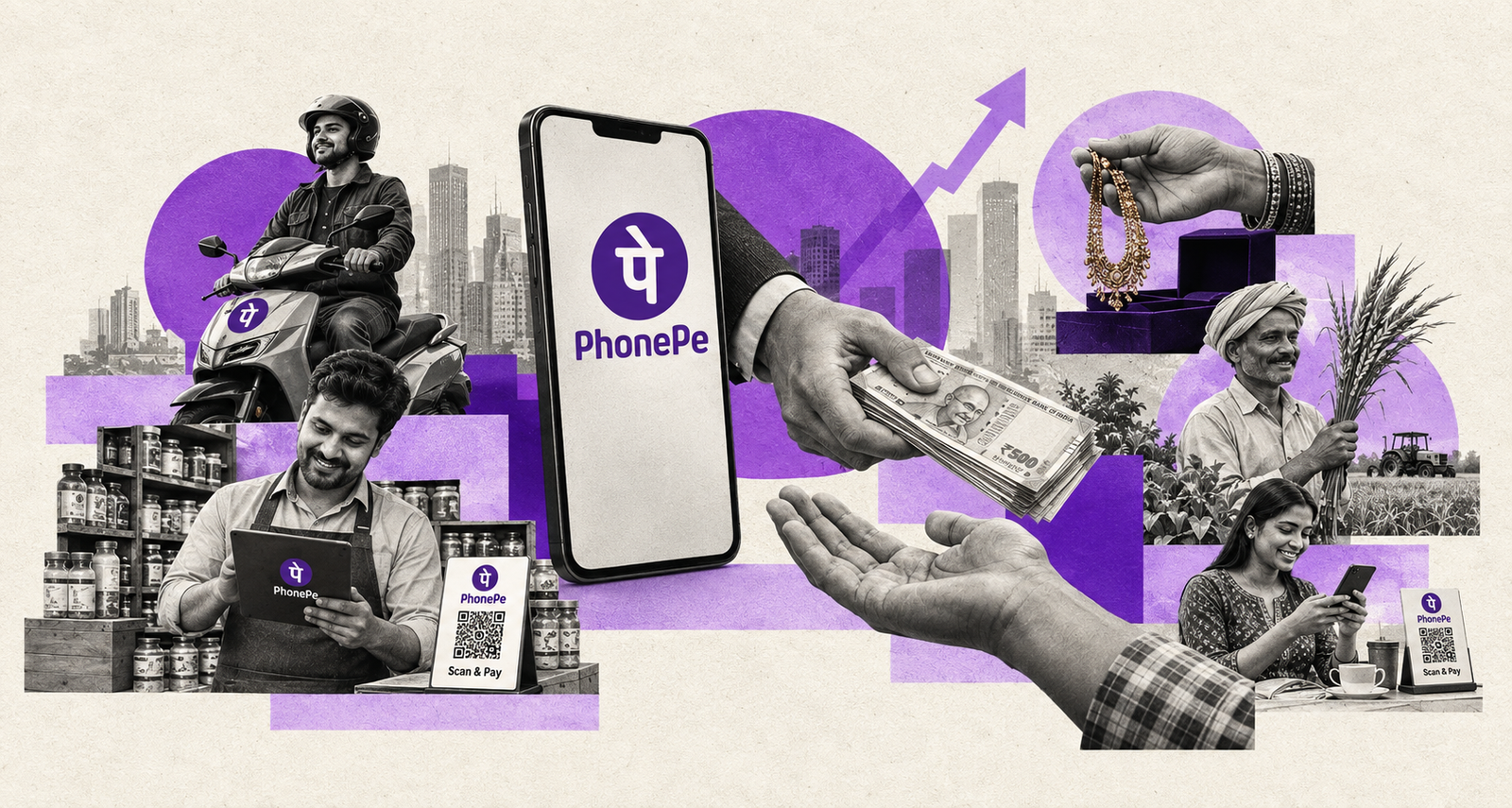
Lending is where many financial services businesses eventually end up. While it is a difficult business to build, it can also be highly profitable if executed successfully. Better Capital approached lending from a different perspective, focusing on consumer technology, product and distribution rather than traditional banking or lending.
Instead of starting with a loan product and then figuring out how to acquire customers, the approach was to identify a real customer problem that could naturally bring the company into contact with someone who might eventually need credit.
The idea was to solve an important problem first and acquire customers through a genuinely useful experience. By the time a lending opportunity emerged, the customer would already know the company, while the company would have a better understanding of the customer and the context in which they needed money. This, in turn, could create a stronger foundation for serving and underwriting the customer.
The approach was built around a simple flywheel: solve the problem, build the relationship, understand the customer and make credit available when it is actually needed.
OTO: Financing as an Extension of the Buying Journey
OTO is an example of this approach. While it can be described as a two wheeler financing company, its customer experience extended beyond financing.
For customers looking to buy a two wheeler, and increasingly an electric two wheeler, OTO helped them discover and understand their options. It also offered customers the ability to schedule a test ride at home with a click.
This meant OTO entered the customer journey before the financing decision. Customers could explore their options, take a test ride and move closer to making a purchase. By the time financing was required, OTO had already built a relationship with the customer and understood a meaningful part of their buying journey.
Financing therefore became an extension of the experience rather than the starting point.
Khatabook Builds From Small Business Relationships
Khatabook offers another example of the same approach.
The company started by solving a simple problem for small businesses by giving merchants a digital ledger to track money they were owed and the credit they extended to customers.
Over time, millions of merchants began using Khatabook to manage an important part of their businesses. This gave the company a deeper understanding of how these businesses operated and the financial behaviour around them.
Lending could then become a natural extension of that relationship. Instead of acquiring a small business owner through an advertisement for a loan, the company already had a customer using its product to run their business.
Khatabook has done well with this approach, reflecting the broader thesis around how technology companies could enter lending.
Rupeek Reworks the Gold Loan Experience
Rupeek approached lending from a different direction.
Gold loans have existed in India for a long time, but the process of obtaining one could be cumbersome. Customers traditionally had to physically take their gold somewhere and go through the lending process.
Rupeek focused on reimagining that experience by building an at-home model and simplifying the customer journey.
The focus was not simply on offering another gold loan, but on solving the experience around obtaining one. This became the entry point for Rupeek to build a brand in gold lending in India.
Jai Kisan Focuses on Rural Customers
Jai Kisan applies the same broader idea to rural India.
Farmers, retailers and small rural businesses have different financial lives from urban salaried consumers. Their cash flows, businesses and credit requirements operate in different contexts.
Understanding these customers, their businesses and the ecosystem around them can help create financial products that are better suited to their needs than generic lending products.
For Better Capital, this made Jai Kisan an interesting opportunity. The starting point was not simply that rural India needed loans, but understanding how these customers operate and building credit around that reality.
IppoPay Targets Micro Businesses
IppoPay represents another version of the thesis, focused on very small businesses.
For many merchants, payments and managing the basic financial activity of the business are the starting points. Becoming a trusted financial partner can allow a company to understand the merchant and their business more deeply over time.
Once that relationship exists, lending can become a logical extension. Rather than meeting the merchant for the first time when they need money, the company already has an understanding of how the business operates and can potentially provide credit based on that relationship.
IppoPay has been scaling in this segment, with further opportunity as it deepens its financial relationship with these businesses.
The Common Lending Thesis
OTO, Khatabook, Rupeek, Jai Kisan and IppoPay operate in very different areas.
Two wheelers, small business ledgers, gold loans, rural commerce and payments for micro businesses may appear unrelated. What connects them is not the type of loan, but the way they reach lending.
The approach is to start with a customer problem, provide value before asking the customer to borrow, build product and distribution around that problem, understand the customer and their context, and then make credit a natural part of the existing relationship when appropriate.
This approach does not make lending easy.
The last five to seven years of digital lending in India have seen several ups and downs. Regulation has evolved significantly as the ecosystem dealt with mis selling, data privacy, aggressive recovery practices and other challenges that emerged as digital lending scaled.
Companies across the ecosystem have had to change structures, processes and, in some cases, large parts of their businesses to adapt. There has been considerable pain along the way.
However, much of that was necessary. The regulatory framework is considerably clearer today, companies understand the boundaries better, and those that have made it through this period have had to build with greater discipline around compliance and customer protection.
The first generation of digital lending companies in India has already demonstrated what is possible. There remains significant scope for new lending businesses across consumers, small businesses, farmers, commerce, housing and other parts of the economy.
Better Capital’s approach to identifying such companies has remained consistent. The focus is not only on what loan a company offers, but on the problem it solves before the loan.
The fourth of a five-part series by Vaibhav Domkundwar examines the lending thesis behind investments in OTO, Khatabook, Rupeek, Jai Kisan and IppoPay. The piece explores how these companies started by solving specific customer problems and built lending as a natural extension of those relationships. The final part will explore another key microtrend and lesson from Better Capital’s investment journey.
FAQs
1. What is Better Capital’s approach to lending companies?
Better Capital focuses on companies that solve a customer problem first and build lending as a natural extension of the existing relationship.
2. How did OTO approach lending?
OTO entered the two wheeler buying journey through discovery and home test rides before offering financing.
3. What problem did Khatabook initially solve?
Khatabook provided merchants with a digital ledger to track money they were owed and the credit they extended to customers.
4. How did Rupeek approach gold lending?
Rupeek focused on simplifying the gold loan experience through an at-home model.
5. Which companies are covered in the fourth part of the series?
The fourth part examines Better Capital’s lending thesis through investments in OTO, Khatabook, Rupeek, Jai Kisan and IppoPay.