



Quanfluence Raises $10 Million in Funding Led by Chiratae Ventures
-
Khushi Jain

- October 7, 2026
Bengaluru-based quantum computing startup Quanfluence has raised $10 million, or around Rs 92 crore, in a funding round led by Chiratae Ventures, with participation from Rainmatter by Zerodha and existing backer Pi Ventures.
Quanfluence plans to use the fresh capital to further develop its full-stack photonic quantum computing system, bringing together indigenously designed photonic chips, control electronics and software into a single architecture.
The startup is targeting early processors by 2027, followed by larger and scalable quantum machines by 2029.
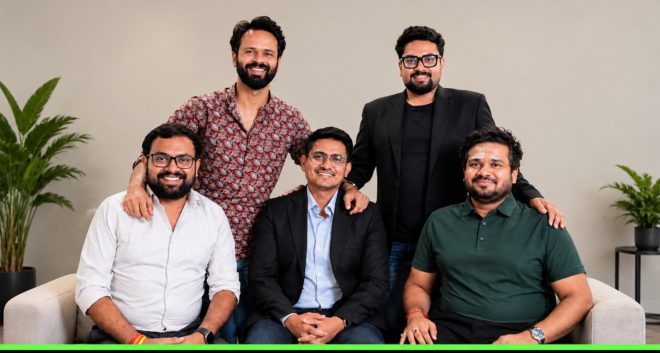
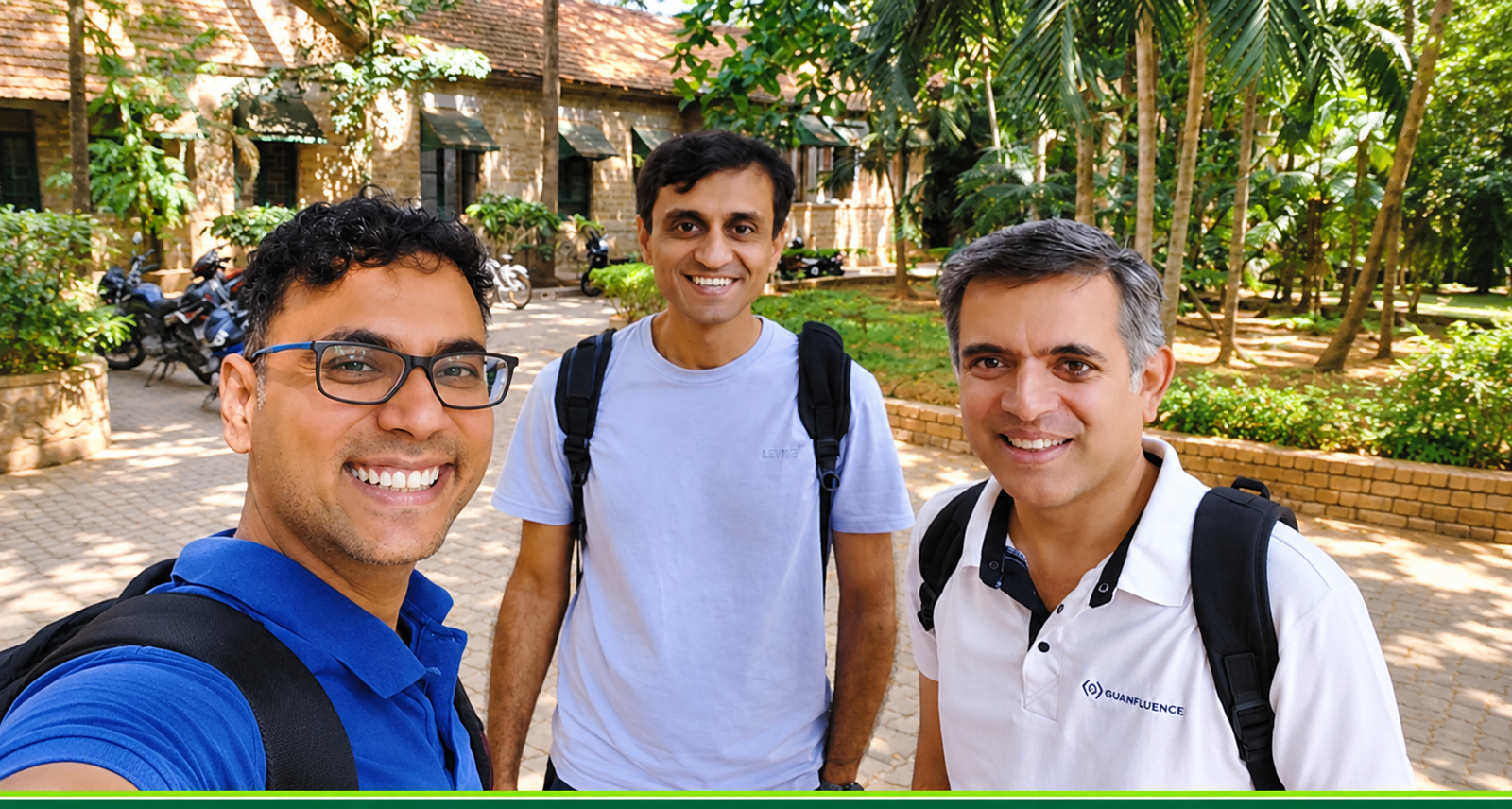
Founded in 2021 by Sujoy Chakravarty, Ravi Mehta, Biman Chattopadhyay, Aditi Vaidya, Anil Prabhaka and Sandeep Goyal, Quanfluence is building a universal photonic quantum computer and has deployed a quantum-inspired optical Ising machine.
The IIT-Madras incubated startup’s core technology includes an optical Ising machine that uses light waves as computational units. The system can process hundreds of interconnected variables simultaneously, making it 100X faster than traditional optimisation methods.
Chakravarty told Inc42 that Quanfluence has already commercialised its optical Ising machine, selling physical systems to customers while also offering remote access to the machines on a usage-based model.
The startup has sold around three machines and currently runs paid pilots with 10-15 corporations.
This approach could help Quanfluence generate commercial traction while it works on the more challenging task of building a scalable universal quantum computer. The startup’s immediate challenge, however, is less about proving the underlying concept and more about integrating its components, scaling manufacturing and navigating long chip-production and hardware-delivery cycles.
Quanfluence currently has a team of 25 employees and expects to scale its workforce to a 40-member team over the next year.
Previously, Quanfluence raised $2 million, or around Rs 16.7 crore, in a seed funding round in December 2024 to scale up its near-term products and accelerate development of its quantum computer.
Since then, the startup has designed and fabricated multiple photonic integrated circuits (PICs) and electronic integrated circuits (EICs). It has also developed low-loss chip-to-fibre coupling designs and demonstrated the generation of quantum light states.
The latest funding comes as investors increasingly explore deeptech bets that are moving towards commercial and industrial applications.
Quantum computing remains largely at the experimental stage, with the industry yet to achieve the scale required for widespread commercial workloads. Quanfluence is taking a photonics-led approach to this challenge, betting that its architecture can eventually scale from a prototype to systems with millions of qubits.
The development also comes as India’s National Quantum Mission is creating closer links between startups, researchers and government-backed quantum hubs.
Quantum cybersecurity startup QNu Labs recently raised Rs 200 crore, or around $21 million, in its Series A1 funding round co-led by the state-backed National Quantum Mission and Speciale Invest, in September.
FAQs
1. How much funding has Quanfluence raised?
Quanfluence has raised $10 million, or around Rs 92 crore, in a funding round led by Chiratae Ventures.
2. Who participated in Quanfluence’s latest funding round?
The round included participation from Rainmatter by Zerodha and existing backer Pi Ventures.
3. What is Quanfluence developing?
Quanfluence is building a universal photonic quantum computer and has deployed a quantum-inspired optical Ising machine.
4. When is Quanfluence targeting its early quantum processors?
The startup is targeting early processors by 2027, followed by larger and scalable quantum machines by 2029.
5. How many employees does Quanfluence currently have?
Quanfluence currently has a team of 25 employees and expects to scale its workforce to a 40-member team over the next year.