

How Quick Commerce Is Changing India’s Beverage Market and Brand Strategies
-
Khushi Jain

- November 28, 2026
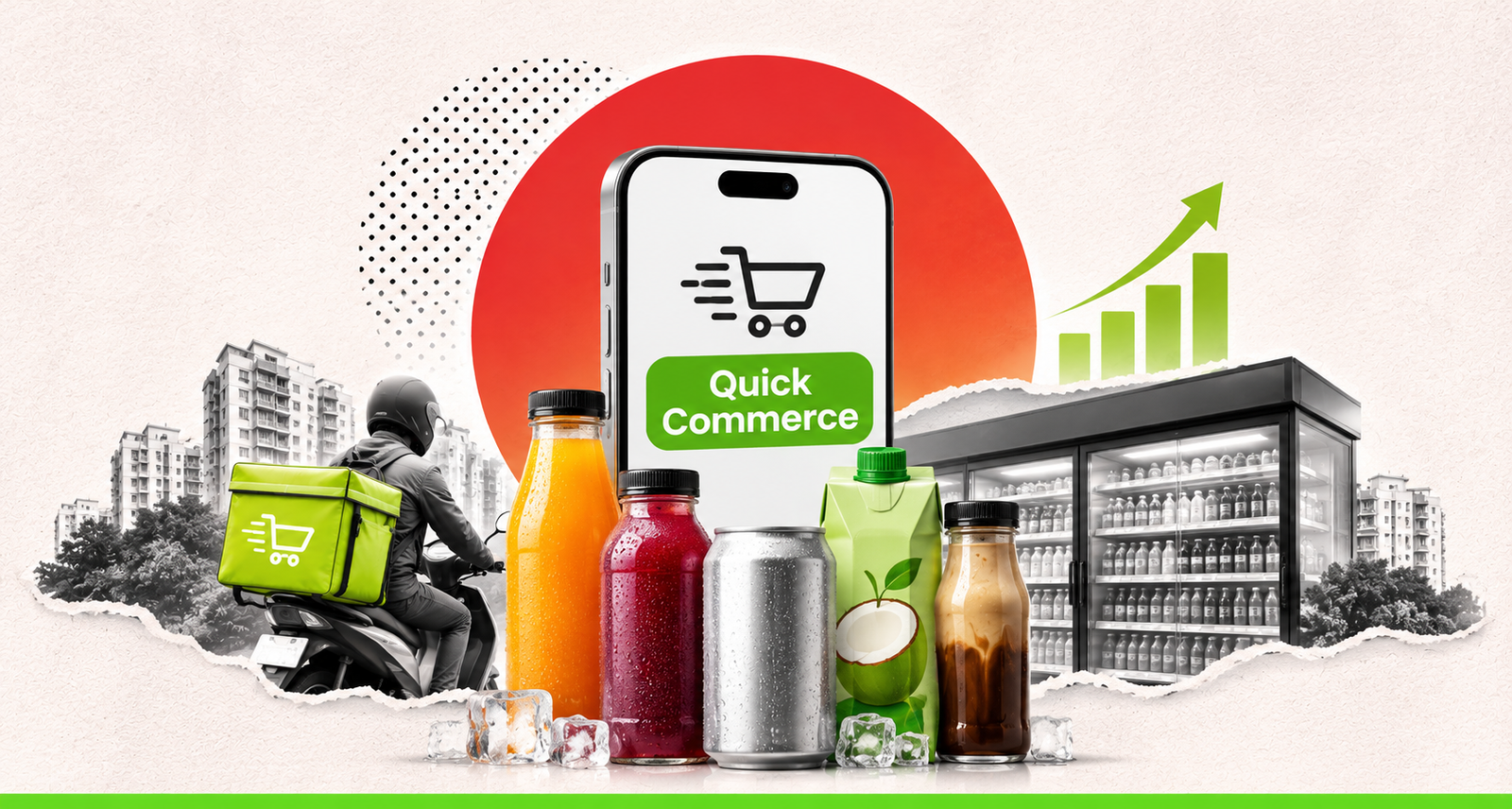
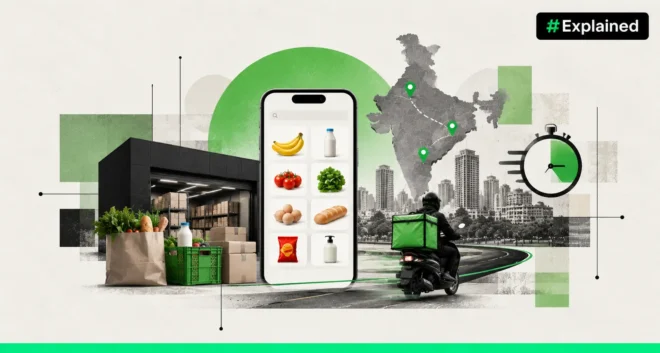
India’s beverage industry is witnessing changes in how consumers discover products, choose drinks and purchase new brands, with quick commerce emerging as an important retail channel.
While established multinational companies and newer Indian beverage brands compete for customers in the Rs 10 mass-market segment, quick commerce platforms are creating opportunities for premium and functional beverages.
The two channels serve different consumer needs. Traditional retail continues to support affordable products and wider distribution, while quick commerce allows companies to introduce new beverages and assess customer interest.
According to an ETRetail industry analysis, the growing role of quick commerce is influencing beverage discovery, product preferences and distribution strategies.
Competition Increases in India’s Rs 10 Beverage Market
Competition in India’s mass-market beverage segment is intensifying as multinational beverage companies and newer volume-focused brands target the same Rs 10 consumer.
Companies are competing on pricing, distribution networks and relationships with retailers.
Affordability, product availability and consistent quality remain important factors in the mass-market beverage business.
For established companies, the challenge is maintaining their distribution strength while responding to competition from newer brands.
For emerging brands, the focus is on building customer trust and ensuring their beverages remain available across retail outlets.
The competition has increased the importance of pricing and distribution strategies in traditional retail.
Quick Commerce Creates Opportunities for New Beverage Brands
Quick commerce platforms are becoming another way for beverage companies to introduce products to consumers.
Categories such as functional beverages, advanced hydration drinks, flavoured diet beverages, kombucha, mixers and other premium products are gaining opportunities through digital retail channels.
Many of these products may have limited availability in traditional stores.
Quick commerce allows emerging beverage brands to enter selected markets, assess consumer response and build awareness before expanding into a larger offline distribution network.
Consumers browsing grocery delivery applications may also discover unfamiliar products through packaging, product listings or advertisements.
According to a Mint report on India’s changing beverage market, quick commerce is providing beverage companies with another route to customers while supporting wider product availability.
This makes the channel useful for both convenient purchases and product discovery.
High Platform Costs Remain a Challenge for Beverage Companies
Although quick commerce can help brands reach new customers, maintaining profitability remains a challenge.
Beverage companies selling through these platforms must account for several expenses, including platform commissions, warehousing, transportation, logistics and advertising.
Products with higher profit margins may be better positioned to absorb these costs.
However, lower-priced beverages can face pressure on profitability when companies cannot increase selling prices enough to cover the additional expenses.
Another challenge is converting initial product trials into sustainable sales volumes.
Customers may be willing to experiment with a premium beverage when they first discover it through an application, but maintaining large sales volumes at higher prices can be difficult in India’s price-sensitive market.
For beverage companies, the challenge is balancing product pricing with the cost of reaching customers through quick commerce.
Brand Loyalty Matters Beyond the First Purchase
Quick commerce platforms can influence customers’ purchasing decisions through product rankings, recommendations, promotional offers and search visibility.
A consumer may select one beverage because it appears prominently in search results or is available through an attractive offer.
However, that customer may choose another brand during the next purchase.
This creates a distinction between platform loyalty and brand loyalty.
For beverage companies, the long-term objective is to encourage repeat purchases rather than depend entirely on initial product discovery.
Brands must therefore focus on product quality, customer preferences, consistency and repeat demand alongside their visibility on quick commerce platforms.
Lahori Zeera Continues to Focus on Traditional Retail
Beverage brand Lahori Zeera considers consumer loyalty, repeat business and established offline distribution important to its long-term growth.
Although the company recognises opportunities in newer sales channels, traditional retail remains central to its approach to mass-market beverages.
The company believes general trade provides the reach required to keep affordable products consistently available to consumers.
According to a Financial Express B2B interview on Lahori Zeera’s distribution strategy, the beverage brand continues to prioritise traditional trade while managing its presence across newer retail channels.
The company’s approach reflects the different roles that offline distribution and quick commerce can play in beverage sales.
- India’s Non-Alcoholic Beverage Market to Reach Rs 2.56 Lakh Crore by FY30: Report
- Coca-Cola India Brings Back Gold Spot After 26 Years in Low-Sugar Can Format
- Nothing Before Coffee Partners With Wellbeing Nutrition to Launch Protein Iced Lattes
- India’s Quick Commerce Industry Is Entering a New Phase of Growth, Says KP Panchal
Quick Commerce and General Trade Serve Different Purposes
Quick commerce and traditional retail can complement each other rather than operate as competing distribution models.
Quick commerce provides opportunities to test new beverages, understand changing customer preferences and introduce premium products.
Traditional retail offers broader accessibility, regular product availability and the sales volumes needed for mass-market beverage businesses.
For emerging beverage brands, quick commerce can serve as an initial channel for introducing products to customers.
For established mass-market brands, offline distribution remains important for maintaining availability and building repeat business.
Companies can use both channels according to their product categories, target customers and pricing strategies.
What Will Determine Long-Term Growth for Beverage Brands?
The growing role of quick commerce is changing how beverage companies approach product launches, distribution and customer acquisition.
However, gaining application visibility or attracting first-time customers does not necessarily lead to sustainable growth.
The larger challenge is converting product discovery into repeat purchases while maintaining a profitable business model.
India’s beverage market has room for established mass-market products and newer premium or functional drinks, but each category requires a different distribution and pricing strategy.
For beverage companies, long-term growth will depend on how effectively they balance quick commerce opportunities with customer loyalty, operating costs and established retail networks.
Frequently Asked Questions (FAQs)
1. How is quick commerce changing India’s beverage market?
Quick commerce is helping consumers discover new beverages while allowing brands to introduce products, test customer demand and expand their digital presence.
2. Which beverage categories are benefiting from quick commerce?
Functional beverages, hydration drinks, flavoured diet beverages, kombucha, mixers and other premium beverages are gaining opportunities through quick commerce platforms.
3. Why is quick commerce challenging for low-priced beverage brands?
Platform commissions, warehousing, logistics and advertising expenses can reduce profitability, particularly for products sold at lower prices.
4. Why does Lahori Zeera continue to focus on traditional retail?
Lahori Zeera considers established offline distribution, customer loyalty and repeat purchases important for keeping its mass-market beverages consistently available.
5. Can quick commerce and traditional retail work together for beverage companies?
Yes. Quick commerce can support product discovery and experimentation, while traditional retail provides wider distribution and regular availability for mass-market products.